10th
november
10 November 2026, 3:00 – 4.30 pm CET
FAIR Principles for Paediatric Health Data: Challenges and Practical Applications
Chair: Elvina Sakellariou, Duchenne Data Foundation
Join us for an innovative webinar on in which we will explore the application of FAIR principles (Findable, Accessible, Interoperable, Reusable) to paediatric health data, with particular attention to rare diseases. Many paediatric research projects face difficulties in managing, sharing, and reusing data due to the limited availability of specific use cases and complex ethical and regulatory constraints. The webinar will provide an accessible introduction to FAIRification and data verification and move from the general FAIRification and verification process to concrete examples of implementation both in paediatric and rare disease research. It will also address ethical, regulatory and practical aspects, including resources, costs and potential benefits of FAIRified and verified data.
In this webinar we will also introduce the EPTRI’s Data Infrastructure and metadata catalogue.
We hope you will join us for this insightful session and contribute to shaping a more efficient future for paediatric and rare disease research.
Speakers

Marco Roos
Marco Roos is an accomplished group leader and associate professor at the Leiden University Medical Center, where Marco has led the Biosemantics group since 2009, focusing on knowledge discovery methods to elucidate disease mechanisms and co-founding the FAIR principles. In addition to this role, Marco serves as Project Coordinator at NWO Data2Person and holds leadership positions in the European Joint Programme Rare Diseases and ELIXIR, where efforts center on implementing FAIR principles in rare disease data. Further contributions include coordination of the Rare Disease Global Open FAIR implementation network, editorial board membership for the journal Translational Science of Rare Diseases, and active involvement in the Netherlands BioInformatics Centre. Marco’s earlier career includes significant roles at the University of Amsterdam, specializing in bioinformatics and e-science technology. Marco holds a Master’s Degree in Cellular and Molecular Biology from the University of Amsterdam.
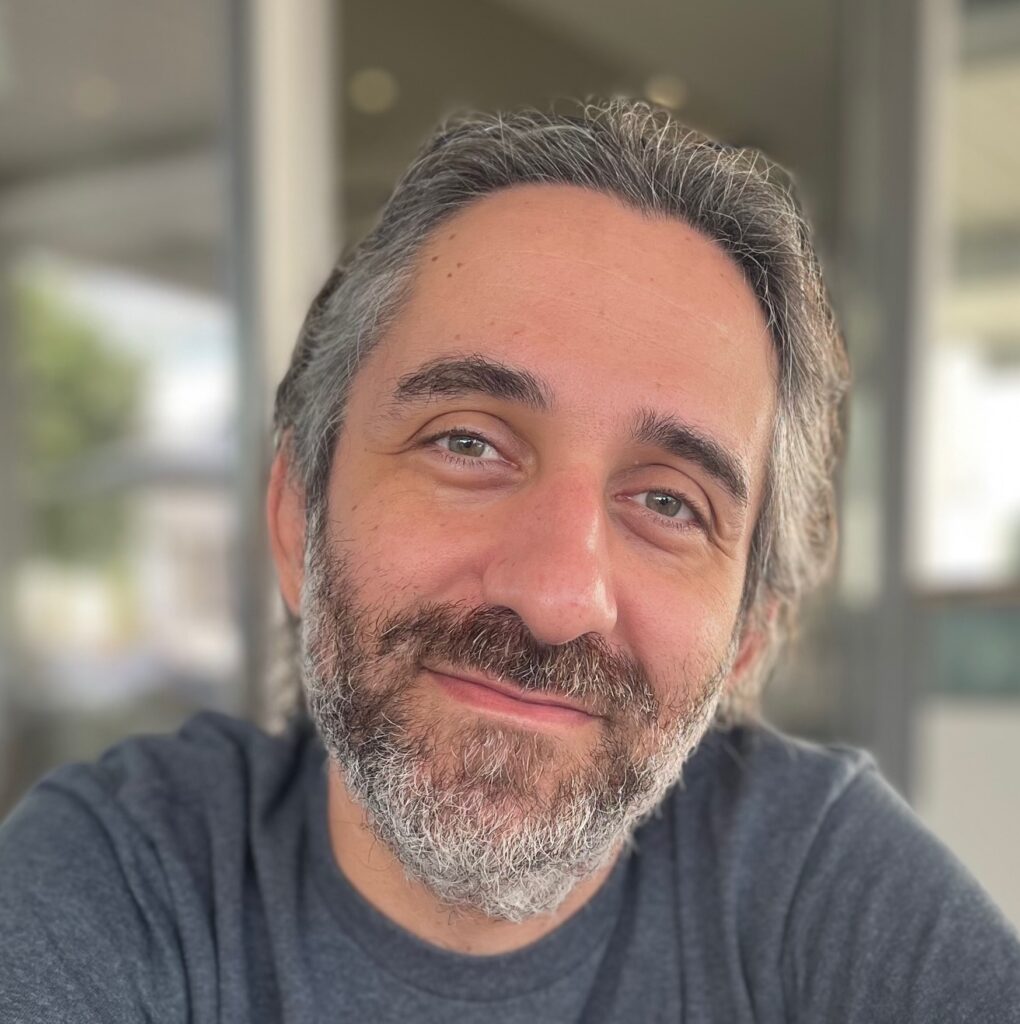
Petros Kountouris
Dr. Petros Kountouris is a Scientist and Assistant Professor at the Cyprus Institute of Neurology and Genetics, in the Blood Disorder Genetics and Thalassemia Department. He holds a BSc in Computer Engineering and Informatics from the University of Patras, Greece, and a PhD in Bioinformatics from the University of Nottingham, UK.
His research focuses on computational biology, medical informatics, and artificial intelligence, with an emphasis on their application to hemoglobinopathies and rare diseases.
He leads several major European and international initiatives in the field, including the International Hemoglobinopathy Research Network (INHERENT), the HELIOS COST Action, the HemaFAIR project, the ClinGen Hemoglobinopathy Variant Curation Expert Panel, and the ITHANET portal.
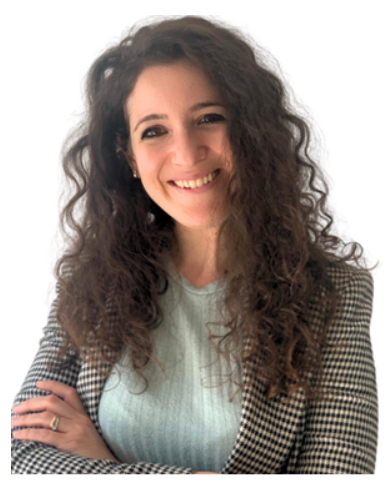
Annalisa Landi
Annalisa is a researcher at Fondazione per la Ricerca Farmacologica Gianni Benzi -ETS (FGB) in Bari, Italy. She is the Ethics Advisor of TheRacil project and Member of the Steering Group of the European Network of Centres for Pharmacoepidemiology and Pharmacovigilance (ENCePP).
Annalisa is a PharmD, II level post-graduate Master in Regulatory Sciences “G.Benzi”, internship trainee at Leiden University Medical Center in the FAIR team. She has been Involved in scientific, ethical and regulatory activities particularly related to clinical studies, data protection and confidentiality, plan and management of patient registries and medicine databases, health data and accessibilities issues, gender equality and inclusiveness. Collaboration in several national and international projects dealing with ethics in biomedical research.